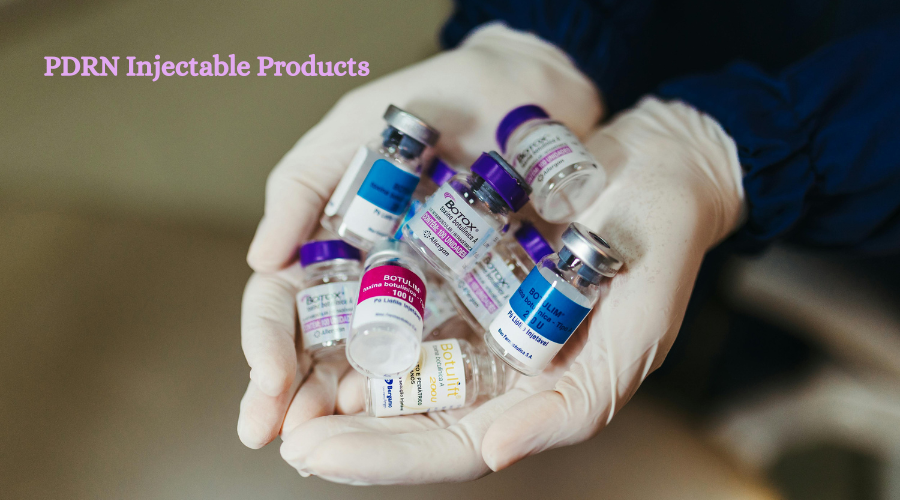
These days, PDRN injections are one of the hottest topics in the world of aesthetic and regenerative medicine. They become more popular in treatment menus at clinics each year. However, clinic owners and practitioners should know exactly what they are ordering before they purchase.
The market has increased rapidly, and not all products are created equal. The right and wrong buying decisions can negatively impact patient outcomes, clinic reputation, and legal liability. The purpose of this guide is to help clinics understand the essentials before purchasing PDRN injectable products.
The acronym PDRN is for polydeoxyribonucleotide. It is a material obtained from the DNA of salmon or trout. DNA fragments are structurally akin to human DNA and are well accepted by the body. PDRN activates cellular repair and rejuvenation when injected into the skin or tissue. It stimulates collagen synthesis and improves blood circulation to the treated area.
Injectables are used in clinics for skin rejuvenation, scar healing, hair loss treatment, and wound/joint treatment. It also helps treat dark circles, acne scars, and skin hydration. One reason for the rapid growth in demand is the extensive range of applications.
PDRN products are not all created equal! These are available in different formulations, concentrations, and applications. Some are designed purely for skin biorevitalisation. Others are used to regenerate deeper tissues and for injection to join. A frequent error when buying is purchasing the wrong type for a particular treatment.
The most common unit for PDRN is mg/mL. It's not always the case that more concentrated is better. The optimal dose is dependent on the treatment area and the depth of injection. Different products for different skin treatment purposes will contain different amounts of the same ingredient. Before buying, always check the concentration to ensure it matches your clinical use.
Some PDRN products are pure. Others include a combination of hyaluronic acid, vitamins, or peptides. There may also be combined formulas that offer some extra advantages but introduce additional variables. When a reaction occurs, it is more difficult to detect the source of the reaction. When new to PDRN, a single-ingredient formula can often be the easier one to begin with.
NO, they're different. PRF and PRP use a patient's own blood to isolate growth factors, whereas PDRN is an artificial product derived from fish DNA. Although PDRN is not as effective as PRF or PRP, its formula is inevitable, implying more predictable dosing and eliminating the need for blood draws.
This is one of the most crucial things, and a thing which many people neglect to carry out. Clinics should verify if the PDRN product is approved for use in their own country before use. Regulations differ widely. Products fully licensed in South Korea might not be approved in the UK, Europe, or the Middle East.
Ask the supplier for documentation. A reliable supplier always had no hesitation in giving regulatory certificates. Beware of a supplier who is not specific about approvals or who can't provide documents.
In many countries, PDRN injectables are either prescription-only medicines or medical devices. They may be purchased and administered only by licensed medical practitioners. Clinics need to ensure compliance with their purchasing procedures with the legal framework in their jurisdiction. Purchasing outside of this process endangers both the clinic and the patients.
Look into the supplier's facts carefully.
Suppliers are not to be ignored; they are as essential as the product. Some manufacturers and companies sell inferior or fake products that are unreliable. This degree of care will ensure that the clinic is protected in the long term.
Request Full Product Documentation.
The trustworthy supplier will offer complete product paperwork. This encompasses a list of ingredients, concentration information, sterility test findings, shelf life, and storage instructions. Do not purchase from a supplier that does not have this information available.
Request samples before making a large order.
Never order without samples! Test the product under controlled conditions. Further examine packaging, labeling, and batch numbers. Pay attention to the product feel during product injection and watch for initial patient results before increasing orders.
Temperature is an influential factor for PDRN products. They come with certain storage and transport temperature limitations. Inquire from your supplier on how they manage cold chain logistics. Products exposed to incorrect temperatures during shipping may be degraded and not effective. This is particularly critical for orders received from abroad.
Yes, it can. Quality controls and advanced extraction processes are immensely followed among the South Korean manufacturers to produce some of the finest PDRN products in the world. The absence of more rigid standards within fractional manufacturing can not only affect safety but also undermine sterility assurances and lead to inconsistent product PDRN levels, thereby impacting clinical efficacy as well.
PDRN treatments have a slow effect. They stimulate the body's normal processes of repair, which takes time. The unachievable will create unhappy patients even if the product is working properly in the clinic.
The majority will require between 3 and 6 treatments. Results will be seen after several weeks. It may take 2-3 months for the plant to be fully improved. We need to highlight this clearly to staff when checking on consultations. A patient who knows what he will receive is likely to be more receptive to the results and more likely to complete the entire treatment.
Managing Side Effects
Mild swelling, redness, and tenderness at the injection site are commonplace. These typically clear up in 24-48 hours. Clinics must also have protocols and policies for their aftercare and for accurately recording treatments. Having the correct records in place will safeguard the clinic in case any problems arise later.
Pricing Factors
Price is a key factor, but should not be the only consideration. If prices are well below average, PDRN products may not be of high quality, improperly stored, or may indicate sourcing problems. Inquire whether it includes cold-chain shipping. Are certificates included? Does it have a minimum order? When asking these questions, clinics can avoid hidden costs and compare suppliers fairly.
The cost of a unit can be decreased by purchasing in bulk. But never specifically make a big purchase until you've tried it out and can be certain it's high-quality. It is better to take it easy and build your order up over time.
Branded products are more predictable and well-documented for newer clinics that aren't used to PDRN treatments. Established brands have more data, which is helpful for training staff and counseling patients. Experienced practitioners can choose to use generic products, but they are riskier for clinics without the background or experience.
It's no simple matter when it comes time to buy PDRN injectable products. It is mandatory by law and in good practice. The product should be described to patients and clinics; remember it is approved, read the supplier carefully, and have the right expectations.
PDRN treatment is a real opportunity because of its growing demand. But with this comes the responsibility to source correctly and treat safely. The time invested in getting the purchasing process right is crucial to ensure patient protection, clinic protection, and long-term growth and reputation.
As an aesthetic clinic owner you do not need a biochemistry degree to manage the clinic. Bu
READ FULLThe global injectable skin booster market is projected to grow at over 9% CAGR through 2030. fuel
READ FULLThese days, PDRN injections are one of the hottest topics in the world of aesthetic and regenerat
READ FULL